
Healing One Small Step at a Time
Support healing by engaging your mind in growth and enjoyment.
Move your body, and you will feel SO much better!
A dear friend of mine quite literally changed the trajectory of my own grieving process when he said this to me: “Nicky, small steps will get you back on the path”. It sounded so simple, and yet it was so profound in its impact… one small step after another IS, in fact, how you help yourself heal… one tiny baby step at a time, in a somewhat forward-focused direction. I say “somewhat” because healing certainly isn’t linear; there will be many setbacks, many steps backwards and sideways…. but it is the intention to keep going forward that is key. For each small step forward starts to gain momentum, and that journey of a thousand gruelling metaphorical miles, which you began with that first small step, will ultimately bring you safely and soundly to your destination: recovery central. In coaching, we call this our “Hero’s Journey”.
I am no expert, but I do have my own valuable personal experiences to share with you of what those small steps can be. What I do know is that it takes intentional hard work over time (for time really does heal all wounds) to create the change and healing you want to achieve through mindful, consistent, healthy habits. The overriding goal is to regulate your poor, shattered nervous system in times of upheaval – especially when your fight/flight/freeze response has taken over, and your body begins to experience everything as a threat, urgency, or survival.
Here are a few of the consistent habits I started implementing in my own life that have really worked for me, one step at a time, from the simple, small, basic things to the more meaningful things where real change and recovery truly started happening for me:
-
- Put in place a workable weekly routine for yourself which provides structure, safety and flexibility; write your daily to-do list.
-
- Get enough sleep.
-
- Make your bed (is there anything nicer than the small joy of fresh, clean sheets!).
-
- Take a shower in the morning.
-
- Get dressed more mindfully. Ask yourself: How do I want to feel today? – identify 3 words (example: effortless, easy, elegant) and choose your outfit accordingly (Erin Walsh).
-
- Declutter your spaces to bring clarity of mind.
-
- Keep adequately hydrated (I added in electrolytes).
-
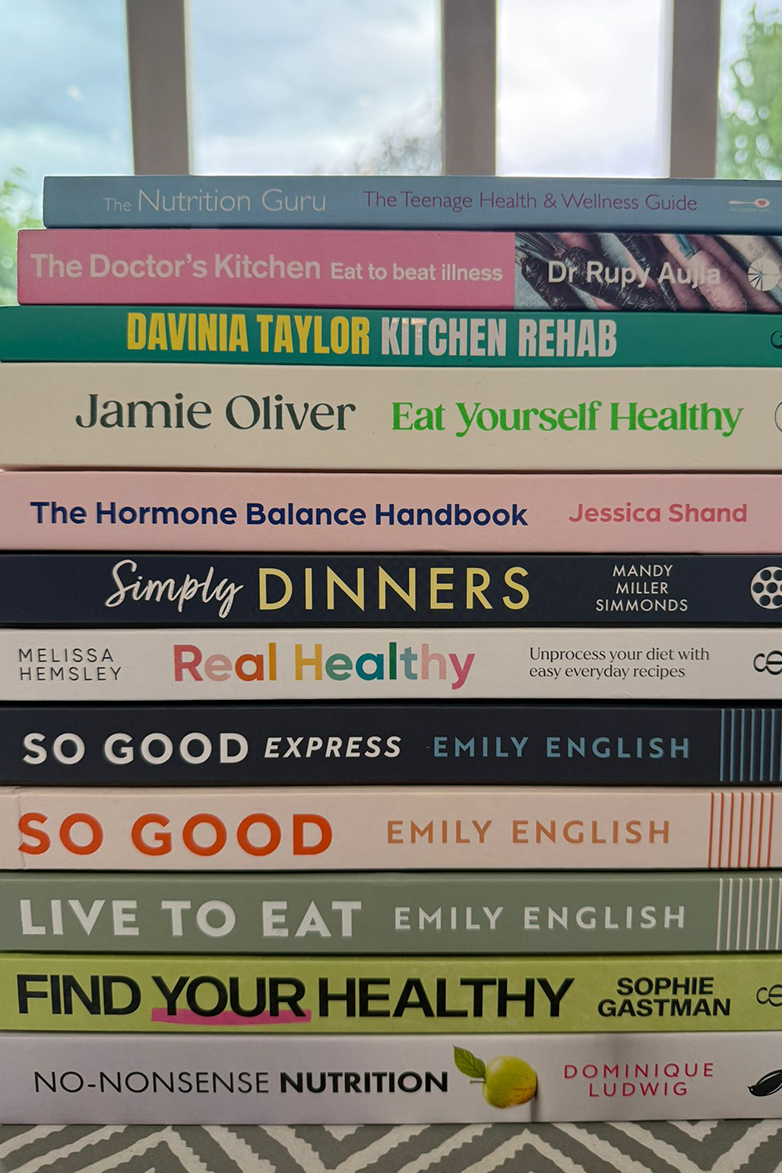
- Generally, choose healthy food options and enjoy the treats mindfully (I often buy new cookbooks to inspire me!).
-
- Add some supplements to support your body and mind when you feel depleted.
-
- Enjoy your morning tea or coffee – finding joy in the small things.
-
- Get outside – being in nature, getting natural light and sun exposure (don’t forget your SPF) all help to make us feel better.

-
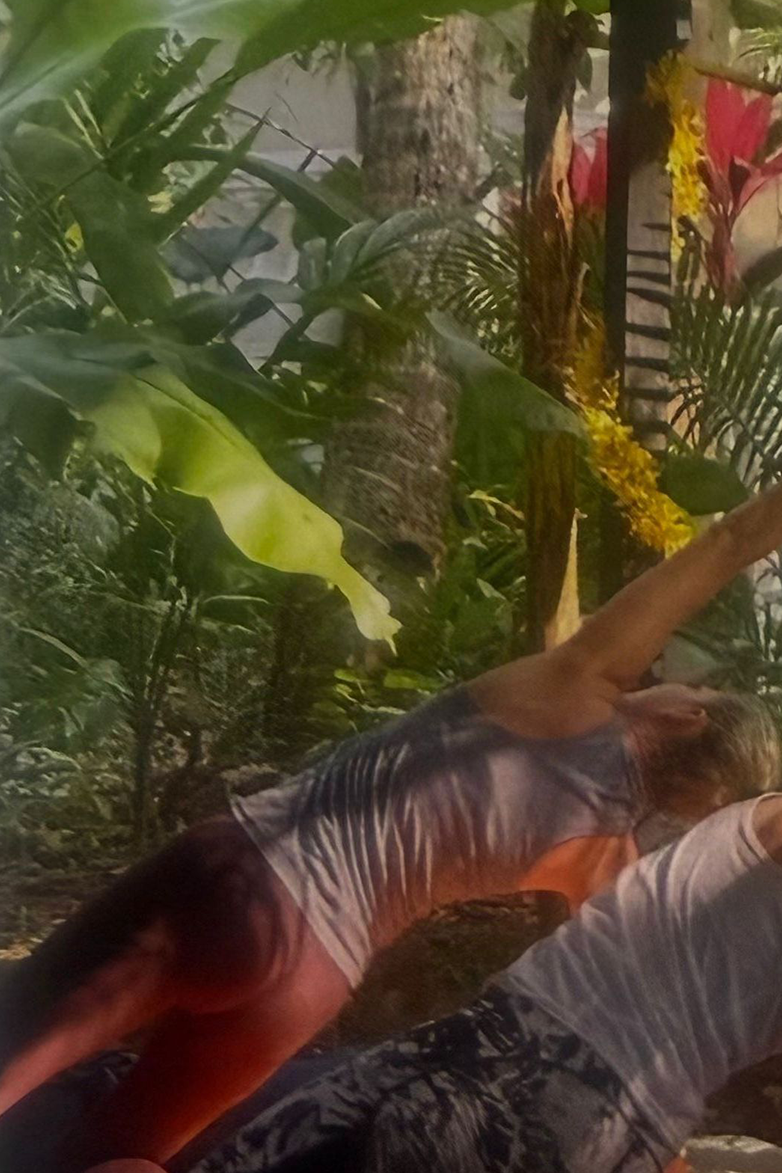
- Exercise – this one really changed my life! Move your body, and you will feel SO much better!!!! Find what works for you – walking is quite literally the best exercise you can do; I started running (couch to 5km), and I am now a passionate, devoted yogi! I have also continued with my established Pilates practice.
-
- Breathwork – breathing IS life itself. Read a book on breathing, follow an Instagram account, take a class…. learning how to breathe properly reduces stress and anxiety and helps you cope during difficult times.
-
- Mindful therapies: psychologist/ therapist (find someone amazing, I was serendipitously blessed!); yoga; hypnosis; sound baths; massage; reflexology; energy clearing; medium; meditation; tapping; daily affirmations; manifesting (create a vision board and believe in it with your whole heart); Ayurveda…
-
- Positive self-talk: talk to yourself as you would to your best friend in your difficult situation. Give yourself a high five in the mirror each morning (Mel Robbins). Write down 3 compliments about yourself every day.
-
- Spirituality: find your Higher Power for meaning, purpose, love, and light (Gabby Bernstein and her amazing books have been my go-to for healing and spirituality). Learn or deepen your prayer practice. Get a spiritual running buddy. Find a community.
-
- Journaling – Dr Chatterjee’s 3 questions every single morning:
-
-
- What is the most important thing I have to do today
-
-
-
- What is one thing I am grateful for
-
-
-
- How do I want to show up today
-
-
- Hobbies – new hobbies and interests support healing by engaging your mind in growth and enjoyment, which can reduce stress and rebuild a sense of purpose. Start learning a new language; try a new sport (think padel, cycling, Parkrun, wild swimming, cold plunges); experiment with gardening; take a course; take a pottery/art/craft/photography/cooking class. Learn how to build a website or how to set up a blog. Learn how to use AI.
-
- Upbeat music and dancing uplift the soul and bring joy; make fun, happy playlists; do a Zumba class.
-
- Reading – fiction to nourish your soul; self-help books to save your soul (find what resonates with you).
-
- Netflix, streaming, movies – the best escapism.
-
- Self-care is not selfish… think skincare and facials, massage, manicures & pedicures, hair care and blow-dries… when you look good, you feel good. A solid night-time ritual like a restorative, relaxing bath at the end of the day (I treat myself to lovely bath oils, bath salts & bath foam) with candles and a cup of calming chamomile tea. As Miley Cyrus says: buy yourself flowers, or pick some from the garden.
-
- Create healthy habits around social media.
-
- Boundaries: Melody Beattie’s astonishing books on codependency are my go-to for building self-worth, setting boundaries, and fostering healthy relationships through ongoing recovery and self-care. Every single day I read her book, The Language of Letting Go, a daily meditation book offering short reflections and affirmations to support emotional healing and the letting go of codependency. Mel Robbins’ “Let Them” theory reminds us that peace often begins the moment we stop trying to control other people’s choices, opinions, and behaviour.
-
- Pets, plants, people: taking care of others helps to give us a broader perspective when we ourselves are in crisis; volunteer; be there for a friend.
-
- Kindness – practising kindness builds compassion, both for ourselves and others.
-
- Travel – this is a BIG one for me: travel, travel, travel whenever you can – it brings new perspectives and layers to our human experience; retreats are perfect for a reset.
-
- Purpose – having a purpose gets us up in the morning and provides direction and meaning, helping us to stay grounded, motivated, and resilient through difficult moments. Find your passions and write about them – start a blog or an Instagram account.
-
- Presence – all we have is now. If we focus on being present in the moment, it steadies us because it returns life to its actual size: this breath, this hour, this step. Follow the incredible Eckhart Tolle for guidance on how to stay present.
-
- Support from your family and friends – I have left this one until near the end, but it is actually THE biggest one for me personally. I am blessed to have the most incredible, loyal, kind, generous family and friends without whom I would not be the recovering person I am today. Connection and friendship will get you through the dark times!
-
- And finally, Gratitude – this is what saved me. This is the full-circle remedy where you learn to appreciate all the (many) blessings you have in your life, even when it feels unbearable and painful. Being grateful shifts your focus from what is lacking to what is present, helping to calm the nervous system and strengthen emotional resilience.
Acknowledging the good that you already have in your life is the foundation for all abundance. — Eckhart Tolle
These are not just abstract ideas I write about — they are the very tools, perspectives, and emotional grounding techniques I now use in my work as a divorce coach. Because divorce is rarely just the ending of a relationship; it is often grief, shock, identity loss, fear, exhaustion, emotional overwhelm, and the painful rebuilding of a life you did not expect to be living. My role is to help guide people through that upheaval with clarity, compassion, practical support, and steady emotional scaffolding — to walk forward down the path, one step, one decision, and one day at a time.
In essence, we can be grateful for the hard lessons… for what they teach us, for how we grow. This, in turn, allows us to appreciate the good times when they come, in all their glimmering glory✨. Gratitude brings hope. Hope brings healing❤️🩹.
Sending you peace and healing light for your own personal journey 💖
Namaste 🙏🏻✨🌍
Love Nicky x